Call Us: +61 1234567

Classic Perfumes
1920S: Chanel N°5
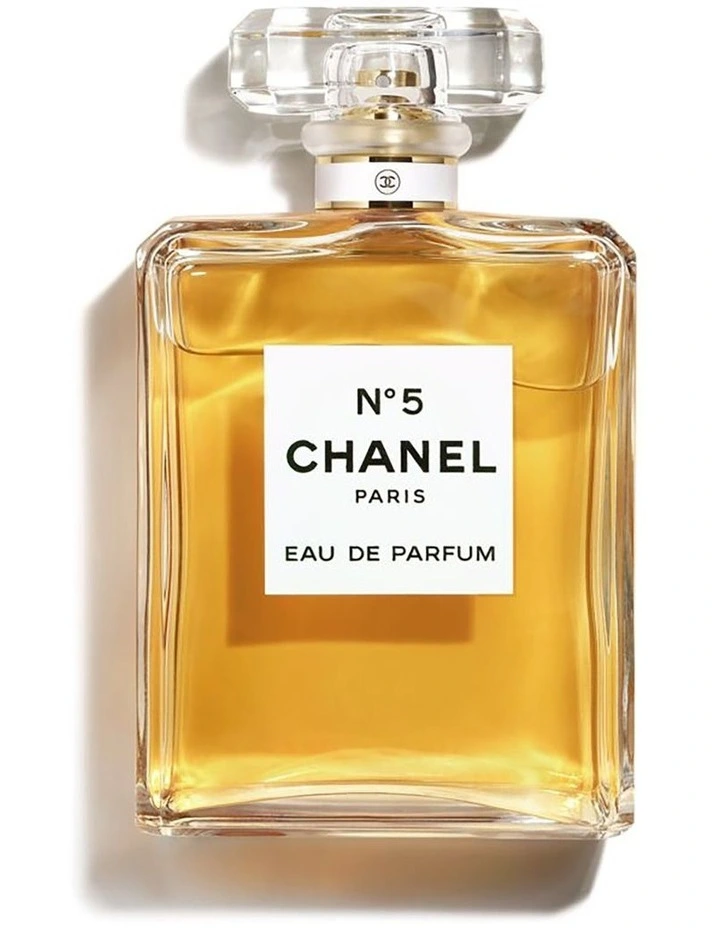
Brand: Chanel
Scent: Aldehydic Floral
Top Notes: Aldehydes, Ylang-Ylang, Neroli, Bergamot, Lemon
Heart Notes: Rose, Iris, Jasmine, Orris Root, Lily of the Valley
Base Notes: Civet, Amber, Sandalwood, Musk, Moss, Vetiver, Patchouli, Vanilla
Gender: Women
Perfumer: Ernest Beaux
Tags: Aldehydic, Powdery, Woody, Fresh
Perfume Review
As one of the most famous perfumes in the world, even those who know nothing about perfumes have heard the name Chanel No. 5. Since its birth in 1921, No. 5 has been associated with synonyms of fashion and elegance. Marilyn Monroe’s famous quote, “I only wear Chanel No. 5 to bed,” became the best advertisement for No. 5, combined with its high quality, making it the sales champion for nearly a century. As the world’s first aldehyde perfume, No. 5 has become a milestone in the history of perfumes, and even today, many people still harbor a desire for it.
The initial impact is the aldehyde scent, bright and grand, then gradually transitioning to elegance and appropriateness. The rich floral fragrance is gentle and captivating, as if one is truly immersed in the flower fields of Grasse. The high-quality floral scent passes through the nose without any sense of artificial synthesis or chemical thinness. According to official sources, No. 5 only uses roses from Grasse in May and jasmine in September, and a 30ml bottle of the perfume requires 1,000 jasmine flowers. In today’s restless perfume market, Chanel No. 5 can be considered a victory of quality.
1930S: Jean Patou JOY
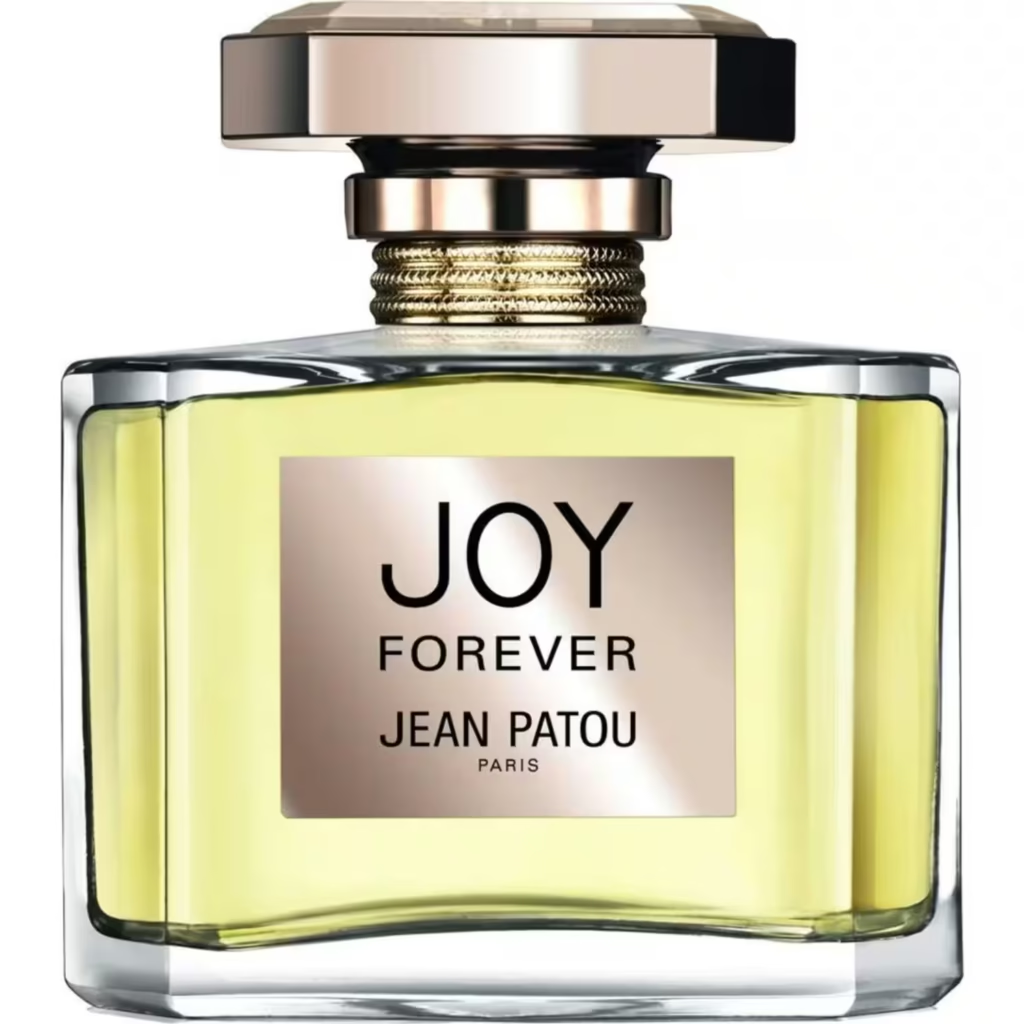
Brand: Jean Patou
Scent: Floral
Top Notes: Rose, Ylang-Ylang, Tuberose
Heart Notes: Jasmine, Rose
Base Notes: Musk, Sandalwood
Gender: Women
Perfumer: Henri Almeras
Tags: White Flowers, Rose, Musk, Powdery
Perfume Review
In 1930, the world was still in the dark period of the Great Depression, but it saw the birth of the most expensive perfume of its time—Jean Patou’s Joy, bringing a glimmer of happiness in a time of gloom. Today, although Joy has long lost the crown of the “most expensive perfume,” its price remains high due to the use of over 100 precious flowers in its composition. Its scent seems to embody joy itself.
Smelling it makes one involuntarily smile, like feeling the first warm rays of sunshine after a long, cold winter. The fusion of various floral scents is subtle, with roses, jasmine, ylang-ylang, and tuberose, complemented by intense aldehydes, exuding a sense of opulence. The top and heart notes are ethereal and light, with a sweet peach scent evoking a sense of summer. The base notes of musk and sandalwood have a powdery delicacy, radiating an elegant and noble femininity, devoid of the rigidity of the last century. Many modern perfumes share similarities with Joy, but its extremely stringent use of ingredients and exquisite formulation cannot be replicated. A classic remains a classic, perfectly captured by the saying: always imitated, never surpassed.
Add Your Heading Text Here
1940S: Dior Miss Dior
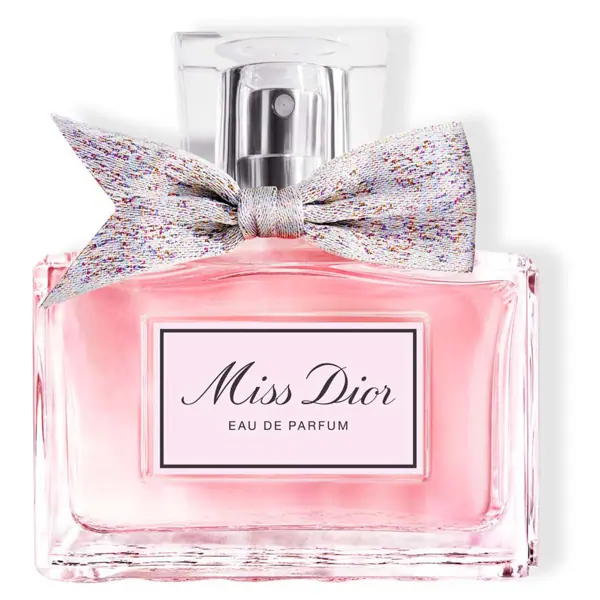
Brand: Dior
Scent: Floral Chypre
Top Notes: Aldehydes, Pine, Green Notes, Gardenia, Jasmine, Bergamot
Heart Notes: Narcissus, Iris, Carnation, Orris Root, Lily of the Valley, Peppermint
Base Notes: Oakmoss, Leather, Vetiver, Patchouli, Musk, Amber, Sandalwood
Gender: Women
Perfumer: Jean Carles, Paul Vacher
Tags: Aromatic, Green Leaf, Earthy, Woody
Perfume Review
Miss Dior, as Dior’s first perfume, was launched in 1947. It reveals Christian Dior’s boundless passion for flowers, especially those blooming in the beautiful gardens of the Granville Les Rhumbs villa in France (now the Dior Museum), which ignited his infinite creative passion. Christian Dior once said, “Besides women, flowers are the most divine creatures. They are so delicate yet full of charm.” In 1947, Mr. Dior adorned his first Miss Dior classic eau de toilette with a handcrafted bow derived from fashion.
This perfume is like a special girl. When the aldehyde scent rushes into your nostrils, you might frown at her enthusiasm that disregards your feelings. The hint of spicy white pine mixed in makes you feel the confident and lively look in her eyes, with a touch of provocation! She wants to tell you that this is her character—bold and unreserved, never being gentle and considerate just to make a good impression on you. Then, the powdery iris dominates other floral scents, invading your senses with such a powerful aura that you feel fearless, as if she can confidently walk between heaven and earth.
1950S: Guerlain Shalimar
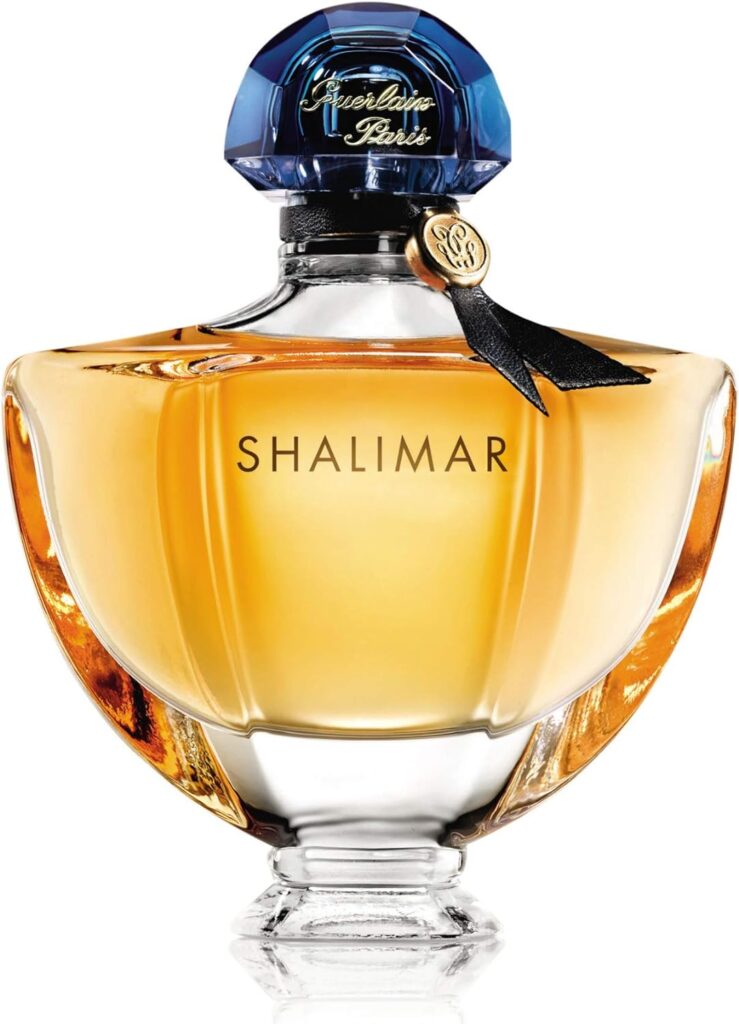
Brand: Guerlain
Scent: Spicy Oriental
Top Notes: Orange, Bergamot, Lemon, Pine, Aldehydes
Heart Notes: Ylang-Ylang, Patchouli, Vetiver, Mint, Rose
Base Notes: Vanilla, Incense, Leather, Cinnamon, Civet, Sandalwood, Tonka Bean
Gender: Women
Perfumer: Jacques Guerlain
Tags: Citrus, Oriental, Woody, Herbal
Perfume Review
Guerlain’s Shalimar reflects the upper-class French society’s fascination with Oriental charm at the time, continuing the luxurious style of pre-World War II society. Thus, the world’s first Oriental fragrance was born, using rich and colorful ingredients to compose a love story spanning millennia. In the eternal cycle, the lush flowers of the Taj Mahal and the mysterious Oriental spices are perfectly preserved. Like images and music, the scent takes us beyond the constraints of time to experience the exotic allure of Oriental love.
The top notes feature sweet vanilla, exuding a sensual yet mature aura. Soon, a wisp of smoke wafts by, and in the haze, one seems to see blooming roses, jasmine, and iris, exuding extreme luxury. Following the smoke into the palace reveals a scene of debauchery, where spicy Oriental spices shine brightly. Alas, all this is but a splendid old dream; the flowers eventually turn to dust, leaving only the warm musk and sandalwood, allowing one to savor this eternal and immortal love.
1990S: Bvlgari Pour Homme
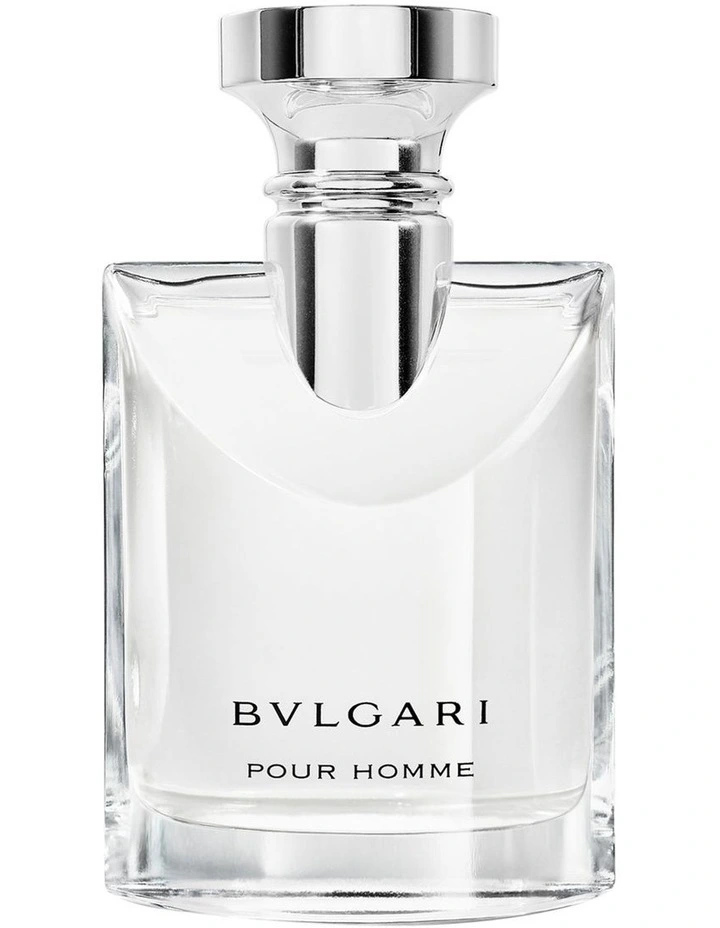
Brand: Bvlgari
Scent: Floral Woody
Top Notes: Tea, Aldehydes, Bergamot, Ceylon Tea, Nutmeg, Orange Blossom
Heart Notes: Pepper, Iris, Guaiac Wood, Brazilian Red Wood, Fennel, Ginger, Saffron
Base Notes: Musk, Vetiver, Snow, Oakmoss, Amber, Benzoin, Cedarwood
Gender: Men
Perfumer: Jacques Cavallier
Tags: Woody, Fresh Spicy, Aromatic, Musk
Perfume Review
In 1995, Bvlgari launched this men’s fragrance. Two years prior, Bvlgari, primarily known for its jewelry, introduced its first perfume, marking its entry into the fragrance world. This fragrance is Bvlgari’s first attempt at creating a men’s perfume.
If we compare perfumes to clothing, some perfumes are like luxurious embroidered gowns, exquisite just by being displayed. Others may seem simple when smelled alone but immediately radiate a unique charm and complement the wearer perfectly when applied, drawing attention. This fragrance is clearly the latter. The scent is refreshing from start to finish. The top notes of nutmeg and aldehyde give it a slightly fermented tea-like aroma, which may not be immediately appealing but adds layers and depth, enhancing the user’s charisma. The heart notes quickly become softer and carry a hint of wateriness, reminiscent of a bamboo forest after the rain, with floral scents subtly drifting through the bamboo leaves. The base notes do not change significantly, but rather than becoming heavier with the increase of woody notes, they remain soft and light. This quality sets it apart from most fragrances, as it uses gradually lowering notes instead of sharp transitions, allowing you to be deeply intoxicated by its enchanting ambiance, unable to awaken for a long time.