History of Perfume

Ancient Egyptian perfume history

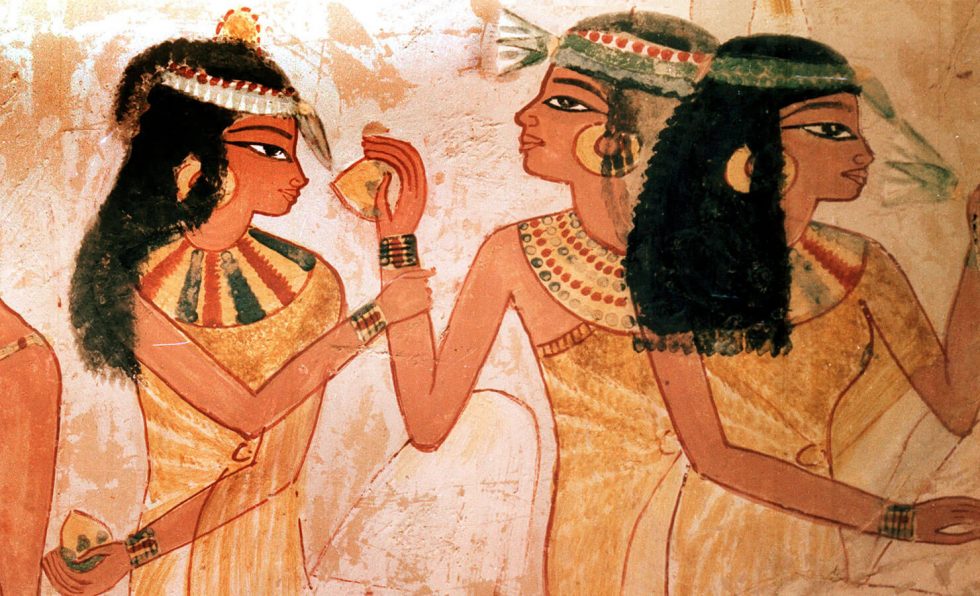
The ancient Egyptians were the first to use perfume for personal pleasure. At the beginning, perfume was only allowed to be used by priests, and only priests could participate in the process of making perfume, so many temples at that time had special perfume laboratories. Later, Egyptian kings and queens also began to enjoy perfume. When they died, people would make their bodies into mummies and wrap them with spices made from myrrh and cinnamon. For a long period of time after that, only prominent people were eligible to decorate their tombs with perfume. In 1992, when an archaeologist opened the pyramid tomb of Tutankhamen, an Egyptian pharaoh, he discovered his mummy and found several oil pots around him to store essential oils. In 40 BC, during the reign of Egyptian Queen Cleopatra VII, the use of perfume reached an unprecedented climax, She often even uses 15 different fragrances and sesame oils for bathing, and even soaks her sails with perfume. When her regime began to disintegrate, she relied on beauty, using a large number of perfumes to lure the Roman emperor Julius Caesar and obtain their military help. When she died, Egypt’s fanatical worship of perfume also came to an end.
History-Egyptian

Ancient Greek perfume history

The perfume was brought to Greece through the Phoenicians. Greece controlled the trade along the Mediterranean after Egypt lost its dominant power. At that time, there were a large number of female perfumers in Greece who improved the perfume manufacturing technology in Egypt. Ancient Greek nationals consume a lot of perfumes every year and have the habit of using different perfumes in different parts of the body. The Athens politician and lawmaker at the time, Solon, believed that the use of perfume by the nation was rampant, and passed legislation to prohibit the free sale of perfume. But he did not succeed, perfume is still the most popular product. Because people loved jasmine at that time, jasmine was also established as the national flower of Greece.

Roman perfume history

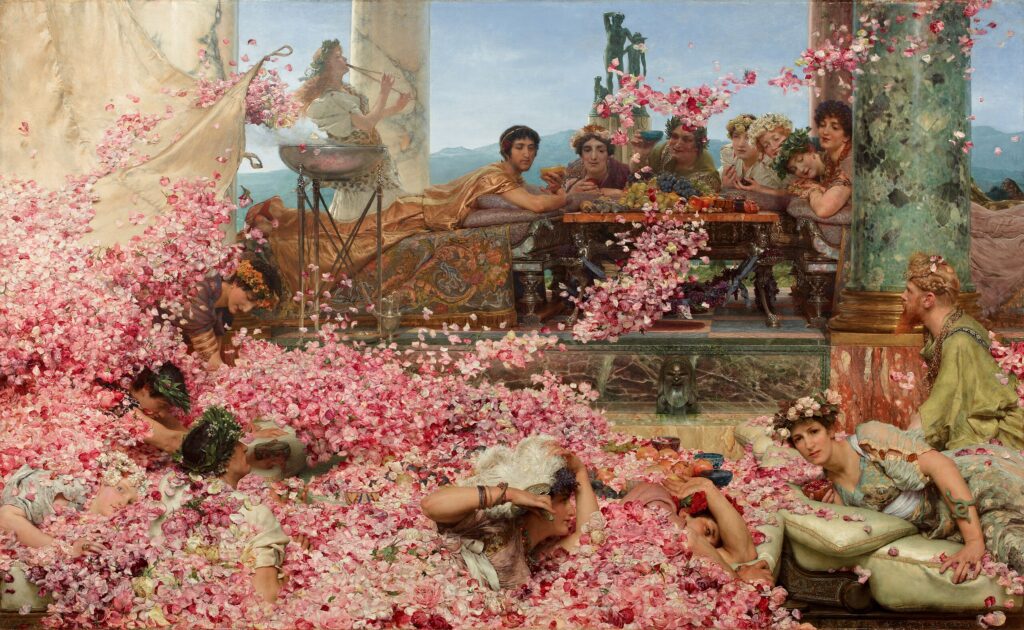
Influenced by the central and eastern regions and Greece, the Romans also began to indulge in perfumes. In the early days, the Roman Empire only allowed perfumes on two occasions-religious activities and funerals of prominent people. During the reign of the Roman Emperor Nero, the use of perfume reached a frenzied stage. When Nero’s most beloved pope died, he used incense that was larger than the total amount of Arab shipments in a year. The Romans were skilled in the creation of perfumes, and the use of perfumes was completely uncontrolled. They spray perfume on the floor and walls and even use perfume on their horses and dogs. At some banquets of high society, perfume fountains are even seen.

History-Roman

Ancient Arabian perfume history

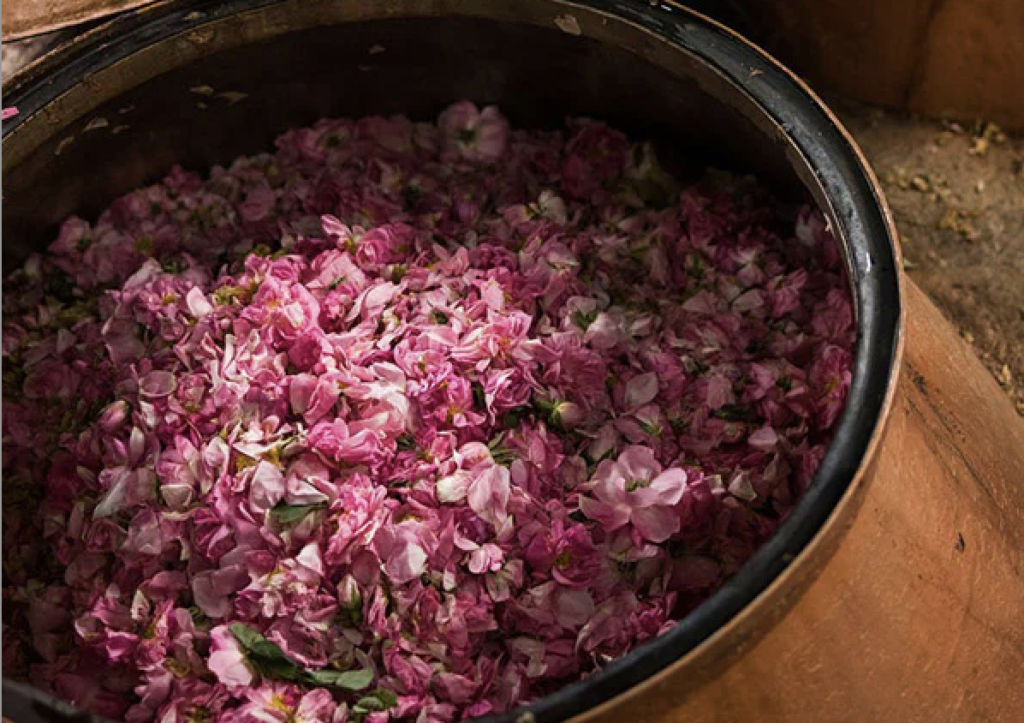
The rise of Christianity greatly inhibited the use of perfume. Not only has daily use been drastically reduced, it even spread to the original religious customs. Christianity believes that perfume is a product with no practical use. However, the Arabs have maintained the habit of using perfume. The believers of Mohammed, the founder of Islam, love the smell of musk, roses, and amber. They even mixed these spices with the cement used to build the palace, which gave the palace a strong and lasting fragrance. One of the most important inventions in the history of perfumes originated in the 10th century: the invention of the distiller has greatly improved the perfume manufacturing process-the the distillation method. Since then, a large area of ​land in Persia has been used for planting roses and transported to Baghdad in Arabia through trade, with the purpose of refining rose oil, and Baghdad has thus become the “capital of fragrance”. In the 12th century, the Arabs discovered that dissolving the essence in alcohol can slowly release the fragrance, and some concentrated essences are better preserved by alcohol.

History-Arabian